Imagine starting a new job with two very different managers.
Manager A: Punishment-Based
Every time you make a mistake, your manager criticizes you in front of others. They rarely explain what they do want — only what you did wrong. Over time, you become nervous, avoid taking initiative, and only work when you’re afraid of getting in trouble.
Manager B: Reward-Based
This manager clearly shows you what success looks like. When you handle a task well, they acknowledge it, thank you, or give you more responsibility and trust. If you make a mistake, they calmly guide you toward the correct approach. Over time, you become more confident, motivated, and willing to think independently.
Most people naturally perform better with Manager B — and dogs are no different.
Training with Positive Reinforcement
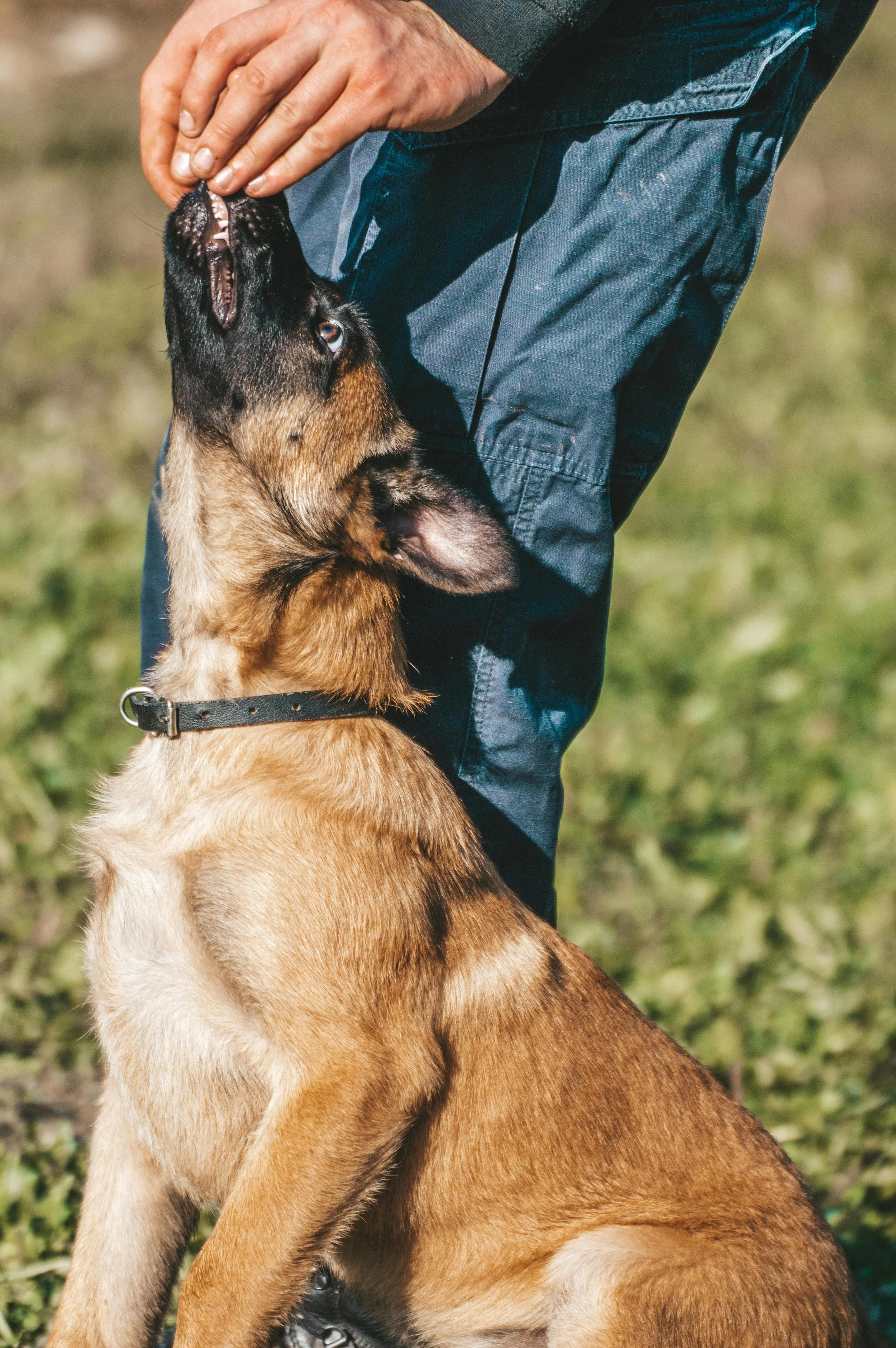
Training with rewards, like a treat, toy, or praise, is known as positive reinforcement training. When your dog behaves in a way that pleases you, you give them what they want. They will then be inclined to behave in that way going forward.
Teaching your dog that nice things happen when they make a good decision is the main goal of reward-based training.
Why is reward-based training recommended?
The greatest approach to get your dog to perform what you want them to do is to train them with rewards. For instance, learning to calm down rather than seek attention when others are busy. Here are some advantages for training your dog in this manner:
According to science, the most effective method of teaching dogs is through reward-based training.
Reward-based training is enjoyable and develops a strong relationship between the dog and its owner.
Dogs can be encouraged to think independently and gain confidence through reward-based training.